
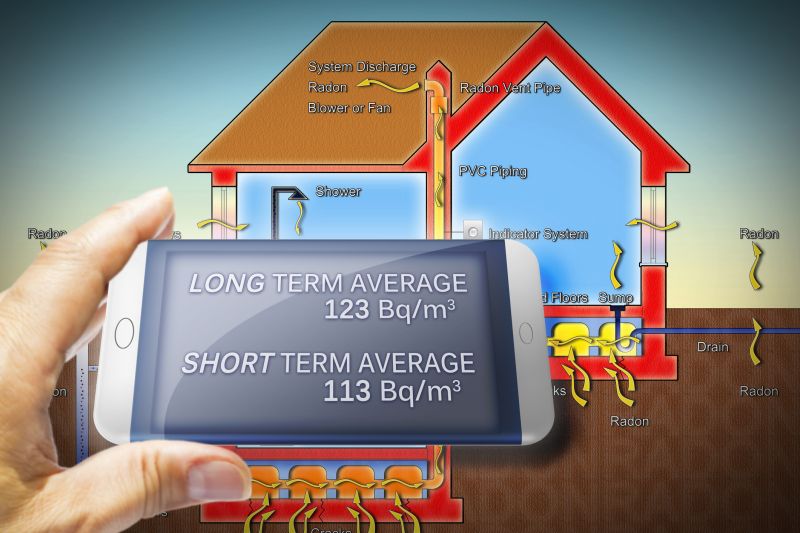
Radon Gas Abatement in Chicago, IL
Radon gas abatement services focus on reducing indoor radon levels to promote healthier living environments for homeowners. These services typically involve assessing the property for radon concentrations and installing specialized mitigation systems, such as vent pipes and fans, to safely vent radon gas outside. Projects can range from single-family homes to multi-unit residential buildings, with the primary goal of minimizing radon exposure and ensuring compliance with safety guidelines.
Property owners considering radon abatement usually want to understand the extent of radon presence in their homes and the most effective solutions for their specific property type. It’s important to evaluate factors like foundation type, ventilation, and existing construction to determine the appropriate mitigation approach. Contacting a professional can provide clarity on the process, potential costs, and what to expect during installation, helping homeowners make informed decisions about their indoor air quality.
Many property owners in Chicago, IL look into Radon Gas Abatement for repairs, replacements, upgrades, and appearance-related improvements.
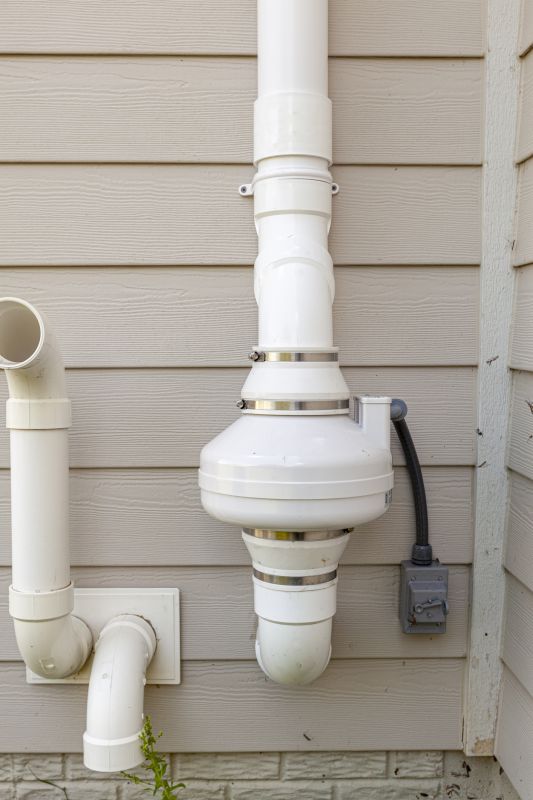
Radon Gas Risks
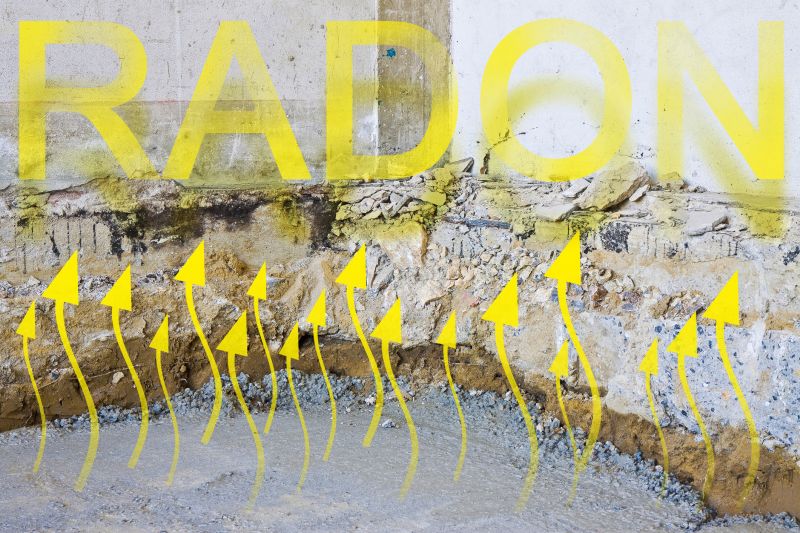
Understanding radon levels is essential for maintaining a safe home environment in chicago.
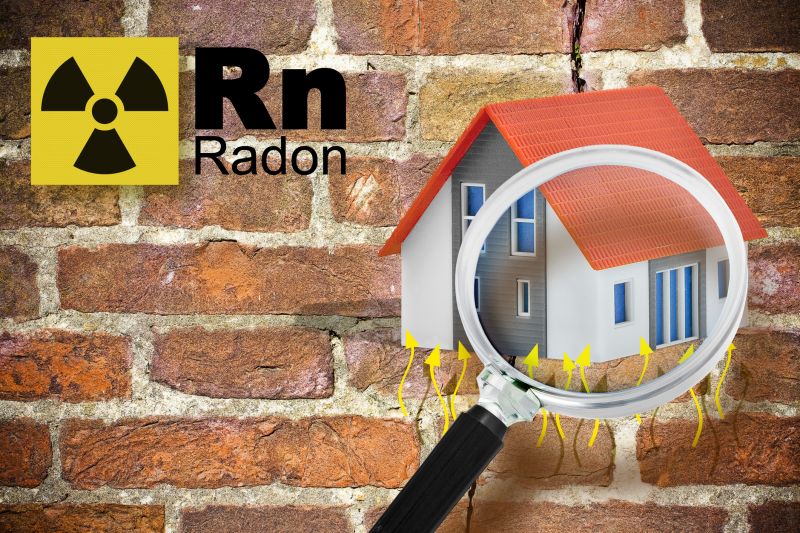
Abatement Solutions
Effective radon mitigation methods can reduce indoor radon concentrations in residential and commercial properties.
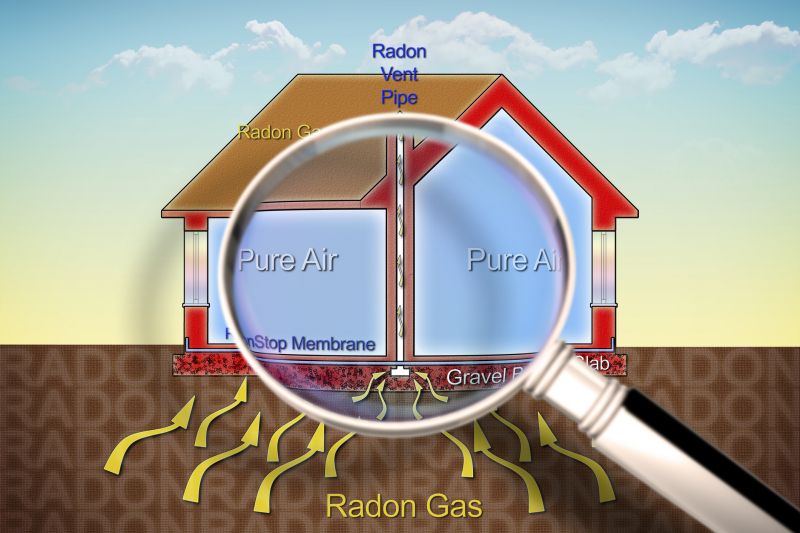
Testing & Prevention
Regular radon testing helps property owners identify potential issues and ensure safe indoor air quality.
Radon Gas Abatement in Chicago, IL

Radon gas abatement services focus on reducing indoor radon levels to promote healthier living environments for homeowners. These services typically involve assessing the property for radon concentrations and installing specialized mitigation systems, such as vent pipes and fans, to safely vent radon gas outside. Projects can range from single-family homes to multi-unit residential buildings, with the primary goal of minimizing radon exposure and ensuring compliance with safety guidelines.
Property owners considering radon abatement usually want to understand the extent of radon presence in their homes and the most effective solutions for their specific property type. It’s important to evaluate factors like foundation type, ventilation, and existing construction to determine the appropriate mitigation approach. Contacting a professional can provide clarity on the process, potential costs, and what to expect during installation, helping homeowners make informed decisions about their indoor air quality.
Many property owners in Chicago, IL look into Radon Gas Abatement for repairs, replacements, upgrades, and appearance-related improvements.
Common Radon Gas Abatement Jobs
Radon mitigation systems - installations to reduce radon levels in homes and basements.
Sub-slab depressurization - techniques to vent radon gas from beneath the foundation.
Sealant applications - to block entry points where radon may seep into living spaces.
Foundation ventilation - upgrades to improve airflow and reduce radon accumulation.
Testing and inspection - services to identify radon levels and evaluate mitigation effectiveness.
Remediation consultations - guidance on the best strategies for radon reduction in residential properties.
Radon Gas Abatement Questions
What is radon gas abatement? Radon gas abatement involves reducing radon levels inside a property to improve indoor air quality and safety.
When is radon mitigation recommended? Mitigation is advised if radon testing shows levels above the recommended threshold for residential or commercial properties.
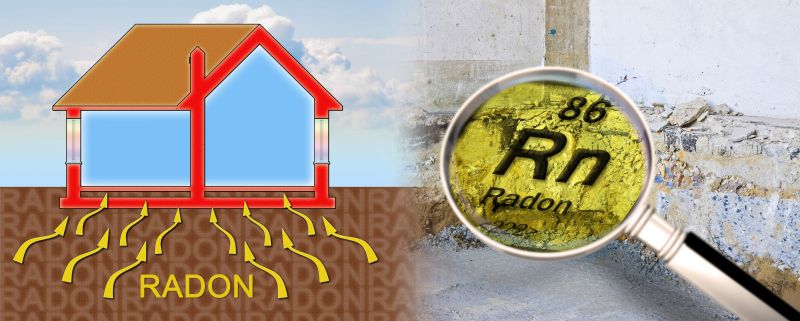
How does radon mitigation work? Systems are installed to vent radon from beneath the building and prevent it from accumulating indoors.
Are radon abatement services suitable for all types of properties? Yes, radon mitigation can be adapted for homes, apartments, and commercial buildings to address elevated radon levels.
Request Radon Gas Abatement in Chicago, IL
Use the quote form on this page to share the basics of your project and request more information for the type of work you need.